Your Beauty, Quantified by Science — The AI-Powered Revolution in Skin Analysis
Dr. Wu Ying-Chun and Dr. Huang Cheng-Chieh reveal how EVE MUSE AI Skin Detection System transforms vague perceptions into science-backed insights.
When you remove your makeup and look in the mirror, your T-zone is shiny with oil while your cheeks are dry and flaky — are you dry, oily, or combination skin? You flip through your saved skincare articles; each sounds convincing, yet none truly understands your skin's concerns.
In this issue, ELLE interviews Dr. Wu Ying-Chun, Chief Medical Director of Eunsung Aesthetic Group, and Dr. Huang Cheng-Chieh, Director of L'EXCELLENCE Aesthetic Clinic, to uncover how the EVE MUSE AI Skin Detection System transforms vague perceptions into science-backed insights.
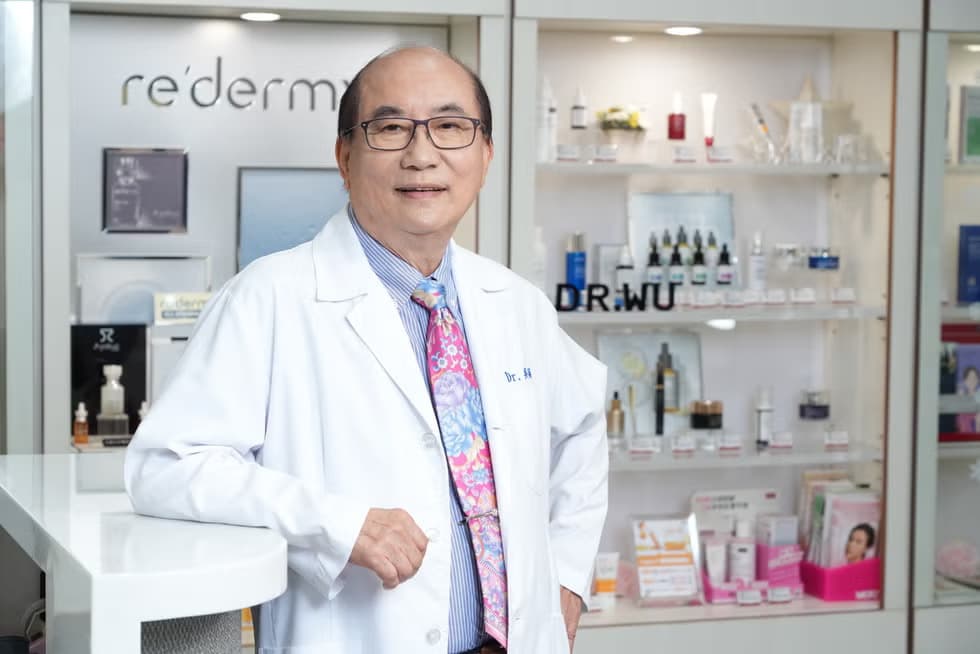
When "Dry" or "Oily" Is No Longer the Answer
In consultations, the most common question Dr. Wu hears is:
"Doctor, what exactly is my skin type?"
His answer is always the same:
"Your skin is far more complex than you think."
Classifying skin as simply dry or oily is largely a marketing strategy by cosmetic brands. In reality, skin needs to be evaluated across multiple dimensions — texture, tone, pigmentation, pore size, and more.
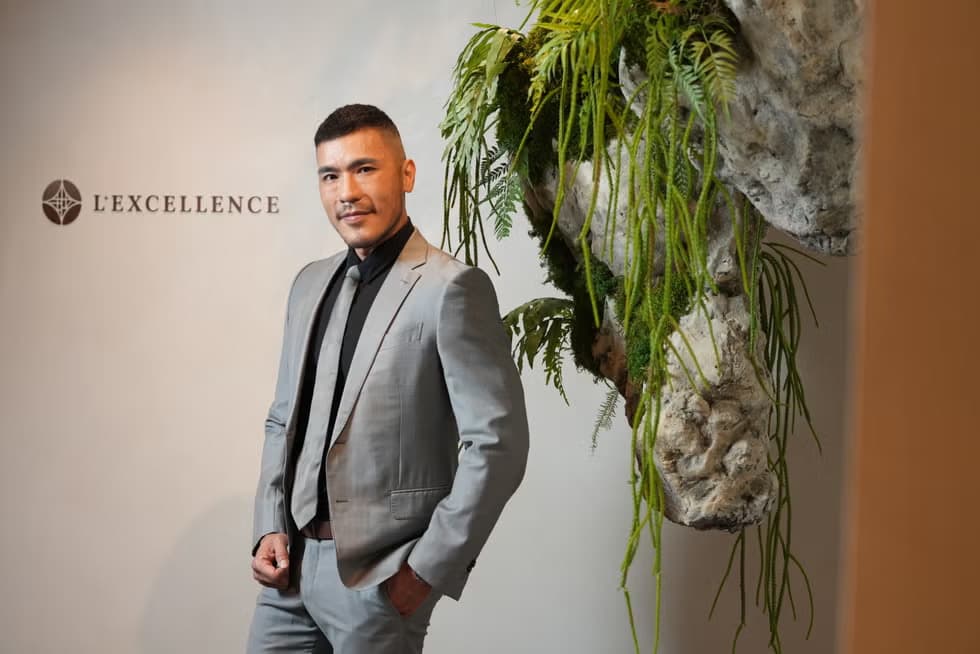
Dr. Huang further explains that dryness and oiliness are actually two separate conditions. Dryness means the stratum corneum's "tiny water reservoir" is depleted, while oiliness means the sebaceous glands are working overtime. Sometimes, your face can feel "thirsty and oily" at the same time.
EVE MUSE: Five Lenses Reveal What You Can't See
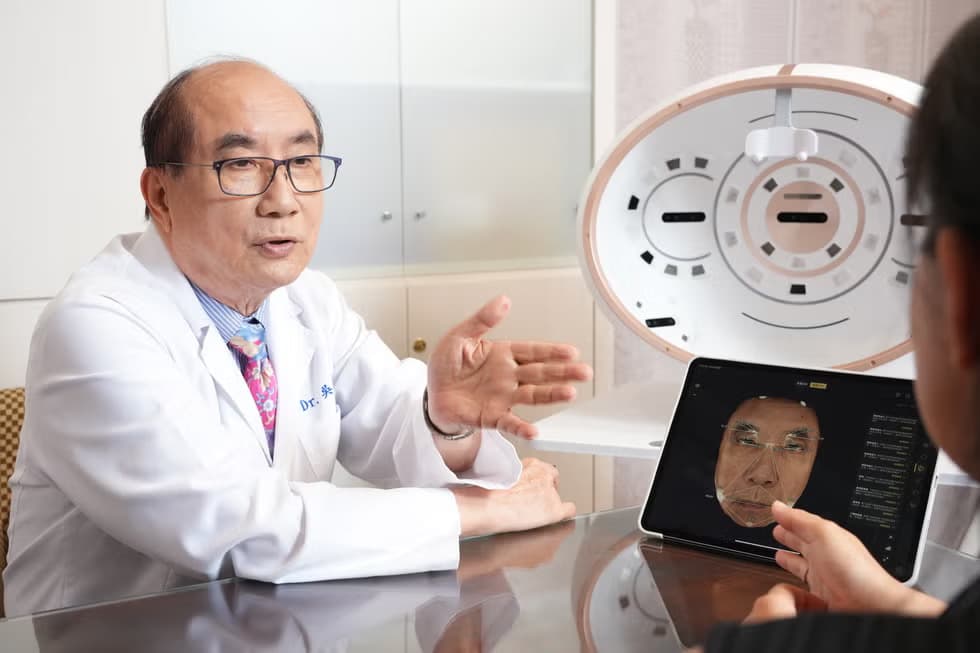
Step into the consultation room and you'll notice a semi-circular imaging device. Dr. Wu jokes:
"We call it the 'egg machine,' but patients have nicknamed it the 'truth mirror' — playful, yet accurate."
3D Imaging: From Flat to Dimensional
EVE MUSE is equipped with a five-lens 3D imaging system that synthesizes images from multiple angles to create a detailed three-dimensional model. With standardized lighting, each scan allows precise before-and-after comparisons — even the neck is fully included in the analysis.
Beyond skin quality, it accurately evaluates facial proportions and contour lines. Dr. Huang notes that this is particularly important for non-surgical aesthetic assessments.

UV Detection: Seeing Future Spots Before They Surface
One of its most impressive features is deep ultraviolet scanning.
A marketing executive in her 30s appeared to have healthy skin. However, the scan revealed dense underlying pigmentation. Dr. Wu explains that this is the value of preventive medicine — intercepting problems before they surface.
Your Ranking Among Peers: AI-Powered Age Comparison
With its extensive AI database, EVE MUSE compares your skin condition with large-scale data from people in the same age group.
Dr. Wu shares the story of a mother who accompanied her daughter for testing. Confident in her skincare routine, she was surprised to learn her pigmentation and wrinkles ranked below average for her age group. The visual evidence was more persuasive than any lecture.
Dr. Huang adds that EVE MUSE can even simulate personalized future aging trends using AI. This visual projection is far more impactful than traditional health education.
From Skin Quality to Structural Analysis: A Full-Spectrum Evaluation
The most significant evolution of EVE MUSE is the addition of structural analysis.
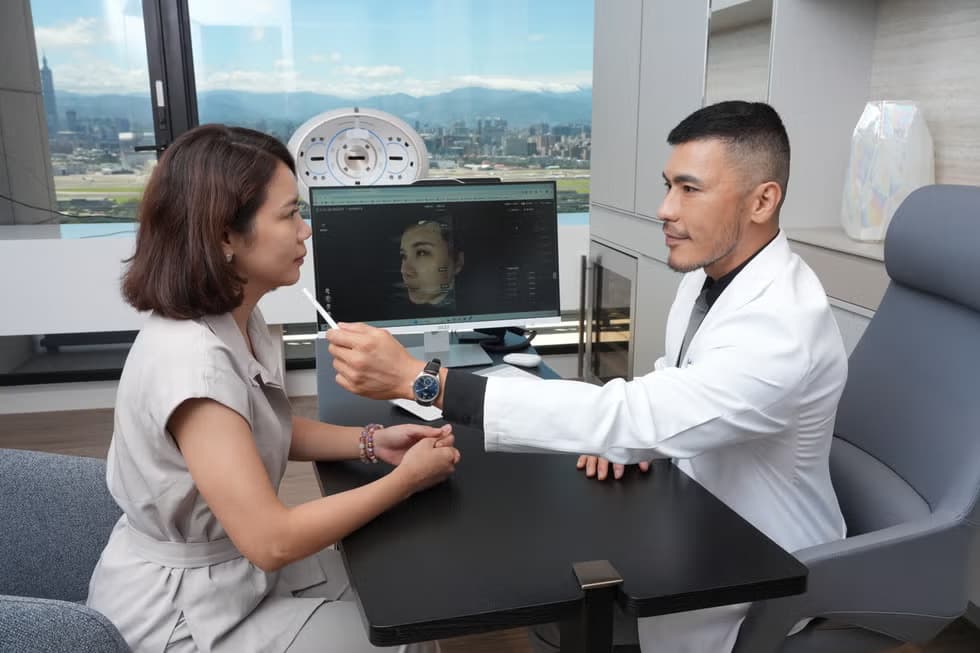
Dr. Wu explains that the system measures facial symmetry, proportions, and angles. It can analyze eyelid drooping, nasolabial fold length, and cheek volume, allowing for highly personalized treatment planning.
"Non-surgical aesthetics have moved from experience-based judgment into the era of data," says Dr. Huang. In the past, treatments relied heavily on individual physician experience. Today, data precisely documents differences before and after treatment. This represents not only technological advancement but also a new language for doctor-patient communication.
Data as a New Language of Communication
Previously, doctors spent considerable time explaining skin conditions and treatment logic. Now, when the report is opened, everything is clear at a glance.
Patients are no longer passive recipients of advice — skincare becomes a rational dialogue.
One office worker discovered uneven skin tone and a high sensitivity risk after testing. She immediately asked, "How should I adjust my routine?" This proactive awareness is more effective than lengthy explanations.
Dr. Huang notes that EVE MUSE automatically prioritizes issues based on severity, providing logical guidance for treatment and skincare planning.
Different Generations, Different Beauty Concerns
Both doctors have observed an interesting pattern: concerns vary significantly across age groups.
Younger women focus on details magnified in selfies — pores, acne, and oiliness. AI detection helps identify risks early.
Mature women care more about wrinkles and dullness, and often pay close attention to their ranking among peers. Data helps them see the results of years of skincare effort.
Back to Basics: Cleanse, Hydrate, Protect
Returning to skincare fundamentals, Dr. Wu emphasizes three essentials: cleansing, moisturizing, and sun protection. These basics remain the foundation of healthy skin.
Dr. Huang adds, "High-quality imaging data is the foundation for determining the right treatment plan."
At the end of the interview, Dr. Wu shares a memorable insight:
"The trend in medicine today is no longer just treatment — it's prevention. Just as vaccines prevent disease before it occurs, skincare should work the same way."
Let EVE MUSE interpret your skin's language.
Your beauty should not follow blindly — it deserves to be understood and cared for with precision.